By Khaos Iam
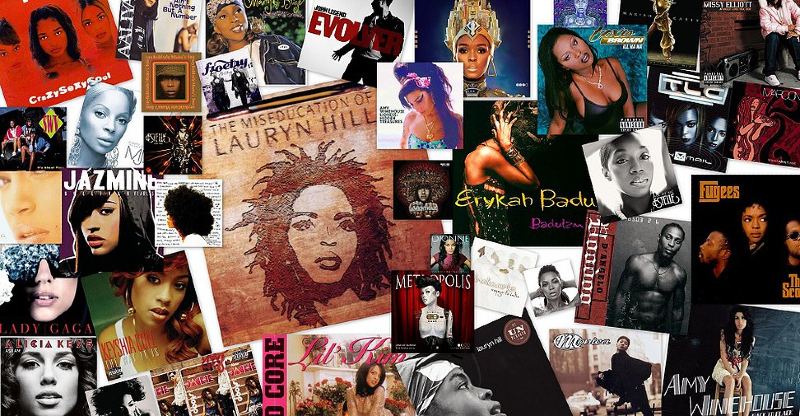
Rhythm and Blues (R&B) music stands as a cornerstone of the music industry, weaving its soulful melodies, heartfelt lyrics, and infectious beats into the fabric of popular culture. Originating in the African-American communities of the 1940s, R&B has evolved through the decades, leaving an indelible mark on the music world.
Roots and Evolution
R&B emerged as a fusion of jazz, gospel, and blues, characterized by its smooth, melodic tunes and emotionally resonant lyrics. Early artists like Ray Charles, Sam Cooke, and Etta James laid the groundwork for what would become a genre celebrated for its expressive storytelling and captivating rhythms.
As the genre progressed, it embraced various influences, leading to the birth of sub-genres like Motown, funk, neo-soul, and contemporary R&B. Pioneering acts such as Marvin Gaye, Stevie Wonder, and Aretha Franklin defined eras and brought R&B to global audiences, setting the stage for future generations of artists.
Impact and Influence
R&B’s impact transcends boundaries, influencing not just music but also fashion, dance, and culture. Its smooth, sultry tunes have often been a soundtrack to moments of love, heartache, empowerment, and resilience, connecting with listeners on a deeply emotional level.
The genre’s influence can be felt across diverse musical landscapes, from hip-hop and pop to electronic and indie music. Artists like Beyoncé, Rihanna, Frank Ocean, and The Weeknd continue to push boundaries, infusing R&B with modern sounds while staying true to its soulful essence.
Social Commentary and Empowerment
R&B has always been a platform for social commentary and empowerment. From Marvin Gaye’s “What’s Going On” addressing social issues to Beyoncé’s anthems of female empowerment, the genre has served as a voice for change, tackling societal issues and empowering listeners to confront challenges.
The Future of R&B
In today’s dynamic music scene, R&B continues to evolve and diversify. Emerging artists are reshaping the genre, experimenting with sounds and storytelling, ensuring its relevance in the ever-changing musical landscape. The genre’s ability to adapt while retaining its core elements ensures its longevity and continued influence for generations to come.
Conclusion
R&B music remains a cultural force, captivating audiences with its emotive storytelling, soul-stirring melodies, and rhythmic allure. Its ability to evolve while staying rooted in its essence speaks volumes about its enduring impact on music and society. As it continues to evolve and inspire, R&B stands tall as a testament to the power of music to connect, heal, and uplift.



 It's Tea ☕️ Tyme
Leave a comment