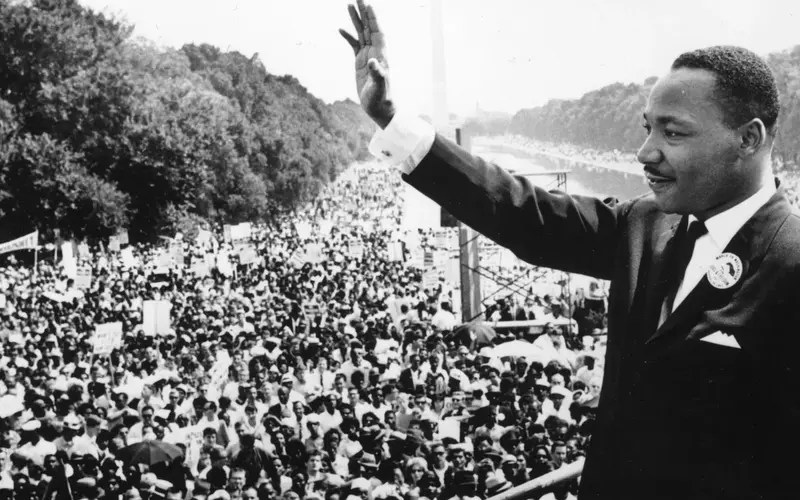
On August 28, 1963, Dr. Martin Luther King Jr. stood on the steps of the Lincoln Memorial in Washington, D.C., and delivered his historic I Have a Dream speech. His powerful words, spoken during the March on Washington for Jobs and Freedom, not only inspired a generation but also became a cornerstone of the Civil Rights Movement. Today, this speech remains a timeless reminder of the fight for equality, justice, and unity.
The Context of the Speech
The I Have a Dream speech came at a critical moment in American history. The 1960s were marked by racial segregation, economic inequality, and widespread discrimination against Black Americans. The March on Washington, which drew over 250,000 attendees, was a peaceful protest advocating for civil and economic rights, culminating in Dr. King’s address.
Dr. King, already a leader in the Civil Rights Movement, used this platform to call for an end to racial injustice and to envision a future of equality and harmony.
Key Themes of the Speech
Dr. King’s speech masterfully wove together themes of hope, justice, and perseverance.
- The Promissory Note
He likened the promises of freedom and equality outlined in the Constitution and the Declaration of Independence to a “bad check” for Black Americans, declaring:
“America has defaulted on this promissory note insofar as her citizens of color are concerned.”
- The Fierce Urgency of Now
Dr. King emphasized the immediate need for action, urging the nation not to delay justice:
“We have also come to this hallowed spot to remind America of the fierce urgency of now.”
- The Dream of Equality
The most memorable part of the speech, the I Have a Dream refrain, painted a vision of a better future:
“I have a dream that my four little children will one day live in a nation where they will not be judged by the color of their skin but by the content of their character.”
- Unity and Freedom
Dr. King concluded with a powerful call for unity, invoking imagery of freedom ringing from every corner of the nation:
“Let freedom ring from every hill and molehill of Mississippi. From every mountainside, let freedom ring.”
The Impact and Legacy
The I Have a Dream speech galvanized the Civil Rights Movement, helping to bring about transformative changes like the Civil Rights Act of 1964 and the Voting Rights Act of 1965. It remains one of the most celebrated speeches in American history, symbolizing the ongoing struggle for equality and justice.
Dr. King’s words continue to inspire activism around the world. They remind us that while progress has been made, the dream he envisioned is not fully realized, urging us to keep striving for a society free from prejudice and inequality.
Why It Matters Today
The I Have a Dream speech is as relevant today as it was in 1963. It challenges us to confront systemic injustices and to work collectively toward a more inclusive and equitable world. As we honor Dr. King’s legacy, let his words guide us in our efforts to make his dream a reality.
Let’s reflect on his vision, and more importantly, act on it to create a world where freedom truly rings for everyone.
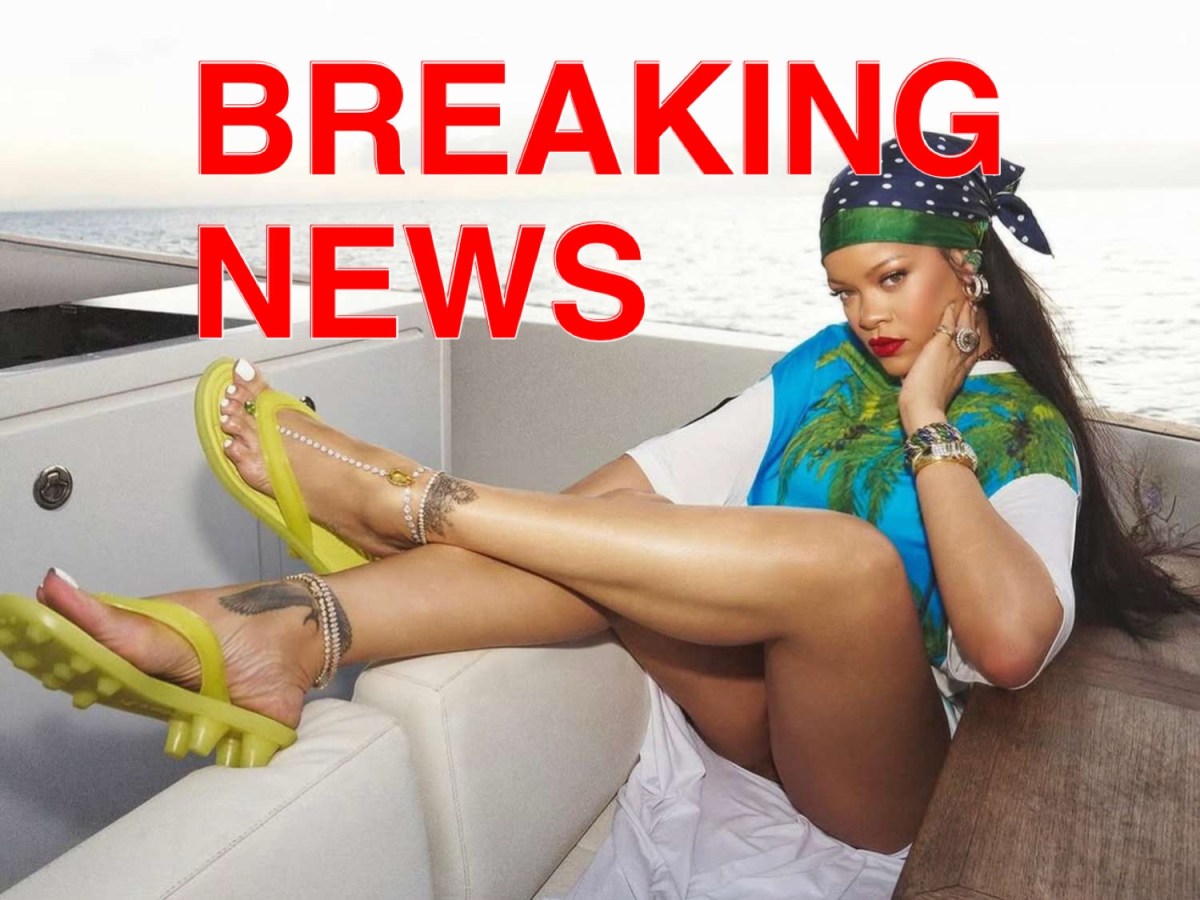
A Disturbing Incident at Rihanna’s Beverly Hills Mansion
On March 8, 2026, a shocking incident occurred when gunfire was directed toward the Beverly Hills home of global music and business icon Rihanna. According to police and multiple news reports, a woman in her 30s allegedly fired several shots at the property from a vehicle parked across the street. Authorities responded quickly to the…

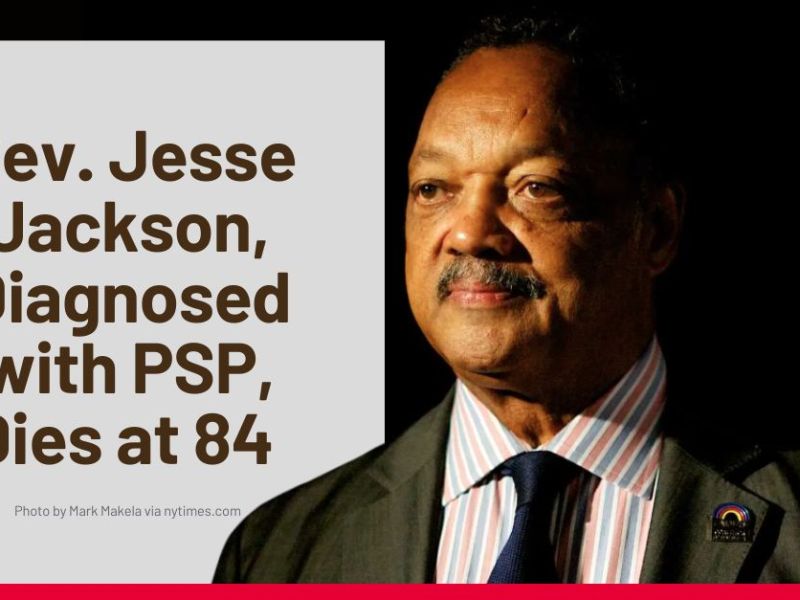
Sending Prayers to Rev. Jesse Jackson Family!
The passing of Rev. Jesse Jackson today at age 84 marks the loss of a true giant in the fight for justice. A close ally of Dr. Martin Luther King Jr., founder of the Rainbow PUSH Coalition, and a trailblazing presidential candidate in 1984 and 1988, he dedicated his life to racial equality, voting rights,…
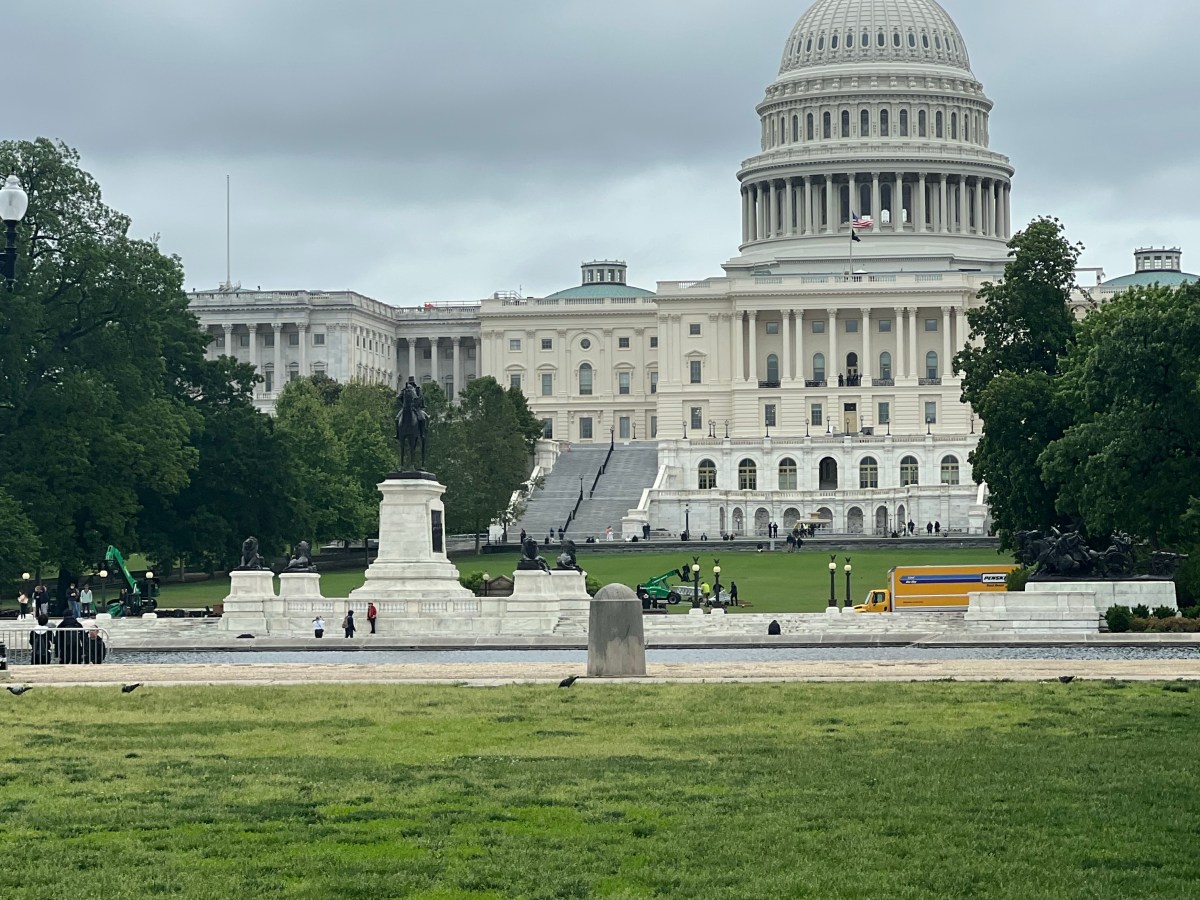
The 2026 Government Shutdown: A Snapshot
In early 2026, the United States experienced a federal government shutdown that lasted from January 31 until February 3. This “partial shutdown” came about after a lapse in funding for key departments when Congress failed to pass a complete set of appropriations bills needed to fund government operations for Fiscal Year 2026. Unlike some previous…


 It's Tea ☕️ Tyme
Leave a comment