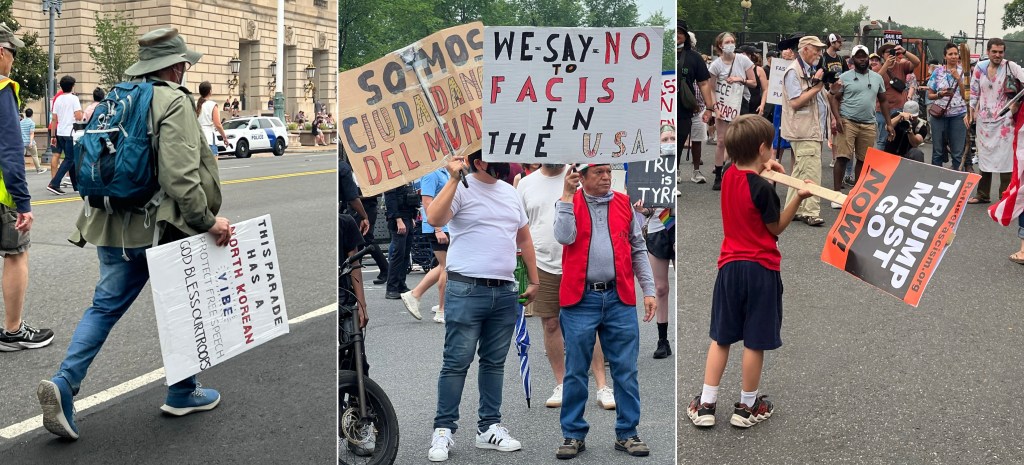
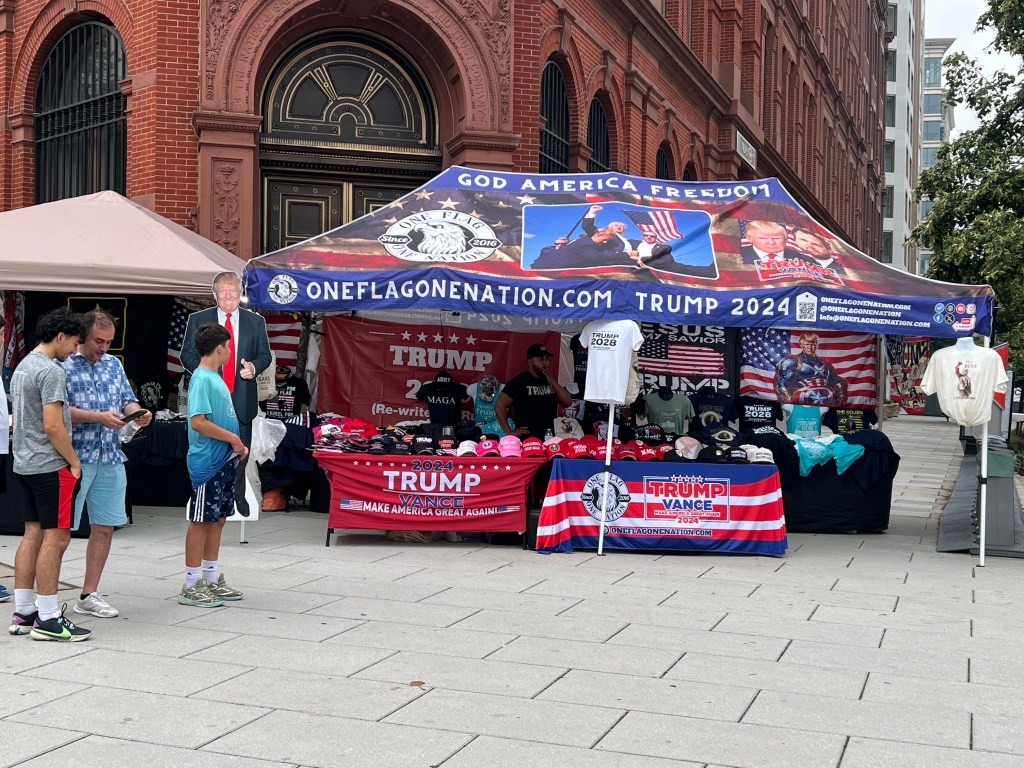
This weekend, Washington D.C. became the epicenter of patriotism and political contention as President Donald Trump presided over an elaborate military parade to mark the U.S. Army’s 250th anniversary—and his 79th birthday. The event featured:
~6,600 troops, more than 150 military vehicles, dozens of helicopters, and a dramatic jump by the Army Golden Knights parachute team . Aerial flyovers of historic and modern aircraft, including B-2 bombers, F-22s, F-35s, and even a vintage Boeing B-17 . Costing between $25–45 million, the spectacle drew both awe and controversy .
Despite the grand display, the event faced mixed attendance, hindered by rain and early start times . Many spectators focused less on Trump and more on the military hardware and patriotic atmosphere .
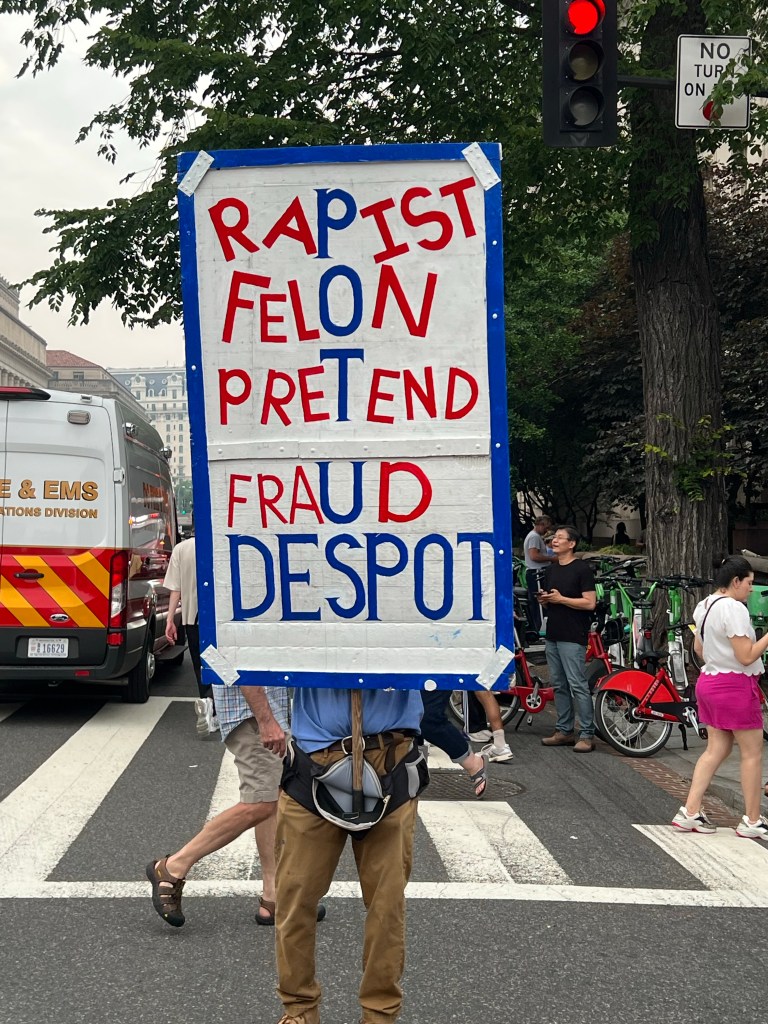
🔥 National “No Kings” Protests
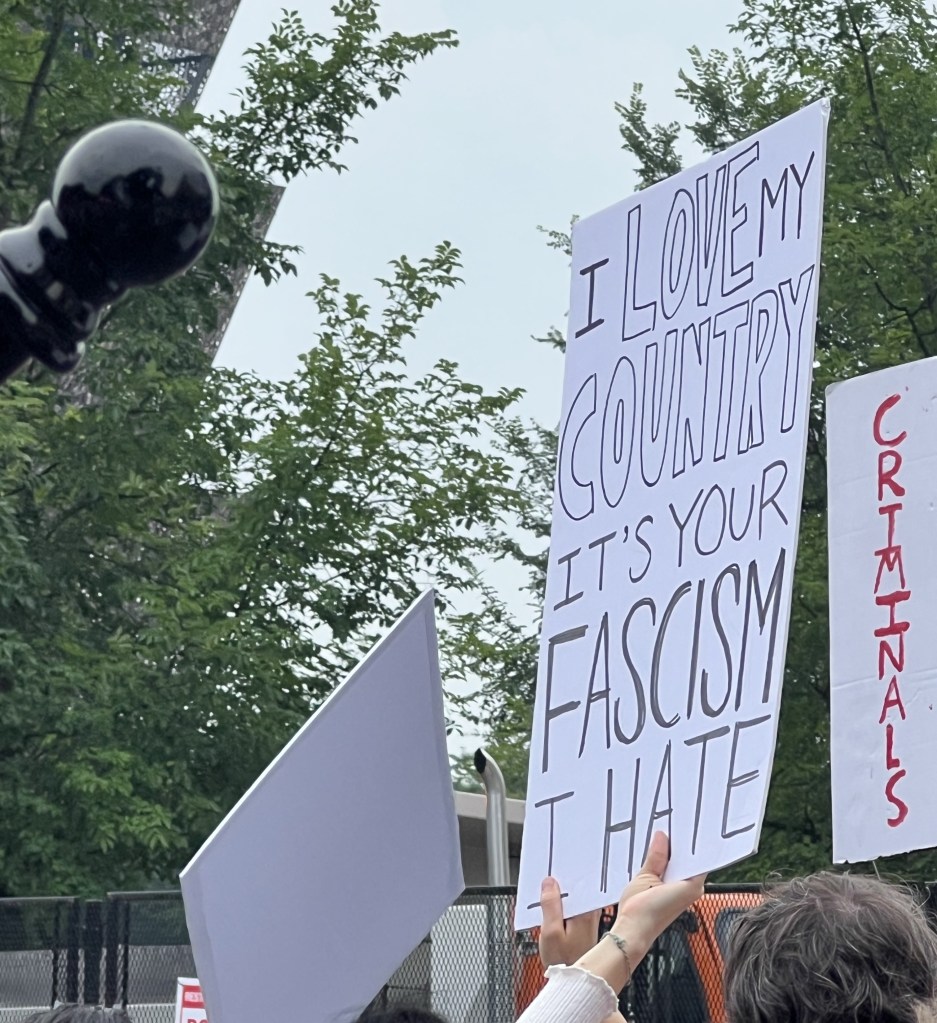
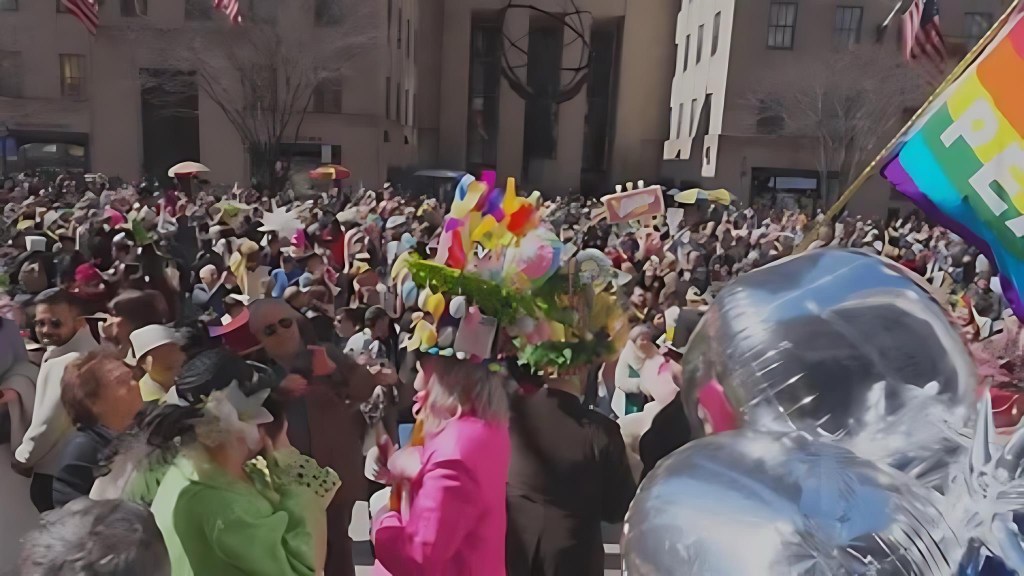
In parallel, millions participated in “No Kings” protests across approximately 2,000 U.S. cities, challenging what critics called an “authoritarian show of power” . Demonstrators cited:
Concerns over militarization of Washington. Disapproval of federal forces sent to protest hotspots like Los Angeles and Portland. Worries about shifting national politics during Trump’s second term .
Law enforcement used tear gas and flashbangs at some sites, while many others remained peaceful .

🎯 Political & Public Reactions
A recent poll from AP‑NORC revealed 60% of Americans disapproved of the parade’s cost, with only 38% in support . Critics likened the parade’s visual grandeur to authoritarian regimes, with some military officials expressing discomfort over politicizing the U.S. military . Despite controversy, Trump praised American military strength as emblematic of resilience during his brief speech at the Ellipse .
🧭 What Comes Next?
The parade and the synchronized protests have highlighted deep political divisions within the country. Security and military use in public events are now under renewed scrutiny, especially regarding cost, legality, and optics. As the 2025 political season accelerates, similar events and demonstrations may become more frequent—and more heated.
 It's Tea ☕️ Tyme
Leave a comment