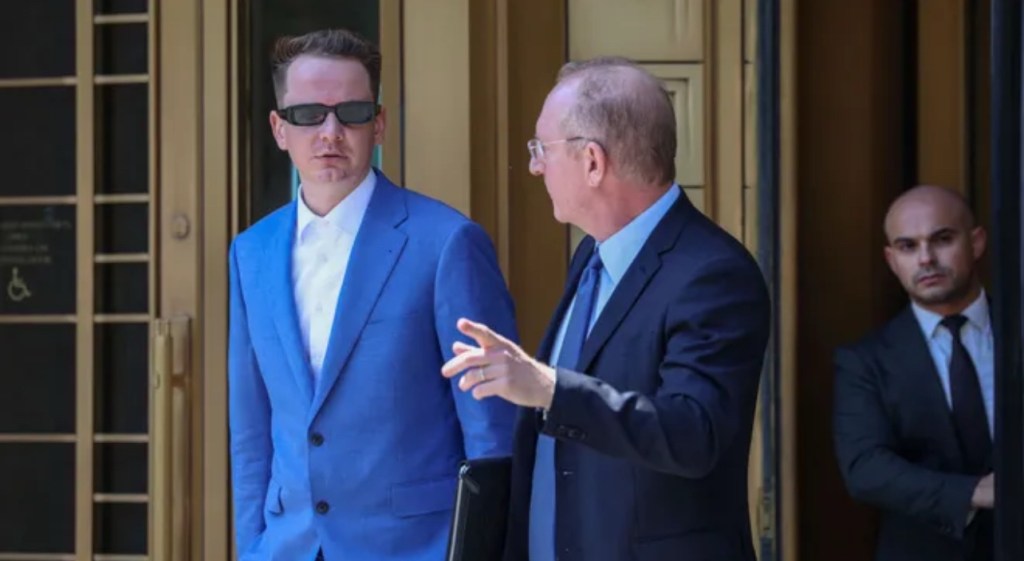
As the sixth week of Sean “Diddy” Combs’ trial came to an end, the courtroom buzzed with pivotal moments that may influence the final outcome. Here’s what went down:
🔹 Former Assistant Under the Microscope
Brendan Paul, Combs’ ex-personal assistant, took the stand under immunity and delivered significant testimony. He admitted to buying and supplying various drugs—ketamine, cocaine, ecstasy, tusi—for Combs, as well as setting up and cleaning up after drug-fueled “freak-off” parties. Though he denied being a “drug mule,” his testimony bolsters the prosecution’s racketeering and trafficking narrative.
🔹 Explicit Footage and Private Texts Presented
Jurors were shown graphic videos of alleged forced sexual performance, alongside private text communications within Combs’s inner circle. These materials were meant to underscore claims of coercion and non-consensual activity.
🔹 Juror Illness & Dismissal Shake Things Up
Adding tension to an already heated week, one juror fell ill mid-trial, prompting a brief pause in proceedings. Another juror was dismissed over residency inconsistencies—raising defense concerns about racial bias, as the dismissed juror was Black and replaced by a white alternate.
🔹 Prosecution Nears Endgame
After presenting 34 witnesses across six weeks, federal prosecutors are preparing to rest their case by Monday. Special Agent DeLeassa Penland and others reviewed internal travel logs and financial records touching on the alleged enterprise. Closing arguments appear imminent.
🔎 What Comes Next
Defense Strategy: Likely to center on consent, inconsistencies in witness accounts, and questions about evidence reliability. Closing Arguments & Deliberations: Expected to begin next week—to possibly early July—unless delays emerge. Potential Verdict Implications: If found guilty, Combs faces a mandatory sentence of 15 years to life behind bars.
With the prosecution wrapping up and the defense poised to make its move, court watchers anticipate a dramatic conclusion. This trial has unearthed intense allegations and evidence—from private communications to coerced sex tapes—making this one of the most scrutinized cases in music industry history.

 It's Tea ☕️ Tyme
Leave a comment