Written by Queenie
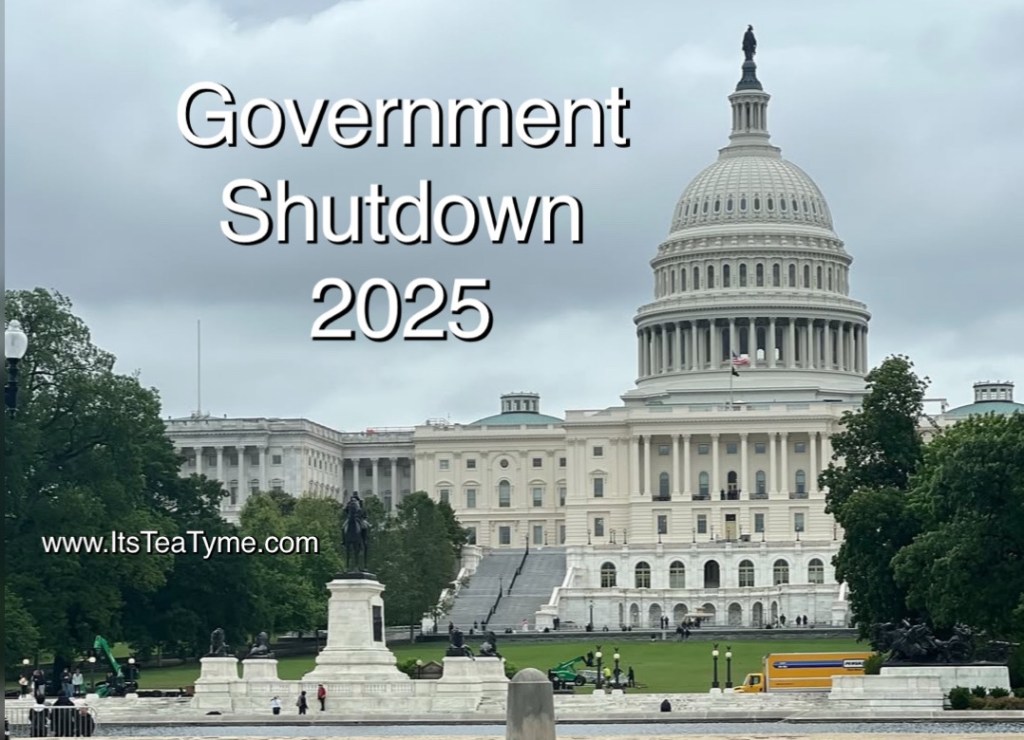
The U.S. federal government officially entered a shutdown as of October 1, 2025, marking the first such lapse in funding since 2019. Congress failed to approve new appropriations or pass a stopgap measure, triggering widespread furloughs, agency disruptions, and political brinkmanship.
🏛️ Why It Happened
The funding gap stemmed from deep partisan divides. Republican-led efforts to pass a new appropriation were blocked after Senate Democrats withheld support over demands to preserve Affordable Care Act subsidies and roll back cuts to Medicaid and public programs.
Meanwhile, the Trump administration had already instructed agencies to draft contingency plans, including permanent “reduction in force” strategies rather than the traditional furlough-only approach.
What Will Be Affected
✅ Essential Services Continue
Agencies deemed essential—military, law enforcement, Social Security, and mail delivery—will remain operational. Some parts of the Department of Education will still process student aid, loan payments, and FAFSA applications.
⚠️ Services on Hold or Reduced
The Department of Education will furlough around 87% of its workforce, pausing civil rights investigations and new grant issuance. Health and Human Services (HHS) faces major furloughs—about 41% of its employees may be sent home. Agencies like the CDC and NIH are particularly hit, with disruptions in research, public health guidance, and new clinical admissions. The FAA is set to furlough more than 11,000 workers, though essential roles like air traffic control remain active (albeit without pay). Across the board, non-essential functions—grant approvals, many regulatory oversight tasks, new contract awards—will pause until funding resumes.
👥 Impact on Federal Workers & the Economy
An estimated 750,000 federal employees could be furloughed, resulting in roughly $400 million in daily lost wages. Back pay is guaranteed by law for furloughed employees once the shutdown ends—but that doesn’t offset the strain of delayed paychecks, especially for lower-income workers. Contractors and employees in RIF-targeted roles may not receive back pay, triggering broader financial hardship in communities reliant on federal jobs. The travel and aviation sectors warn of delayed inspections, reduced staffing, and inefficiencies—particularly concerning given the FAA furloughs.
🧯 Political & Legal Tensions
Two major labor unions (AFGE and AFSCME) have sued the Office of Management and Budget (OMB) and Office of Personnel Management (OPM), alleging the administration’s threats of mass firings violate the Antideficiency Act. They argue such directives misuse federal workers during a funding impasse. The Trump administration’s more aggressive shutdown posture—specifically its push for direct cuts and layoffs—marks a sharp break from past norm, where shutdowns usually preserved federal workforces until funding was restored. Some analysts warn that the shutdown gives the executive branch undue leverage, allowing it to unilaterally reshape federal operations while Congress is sidelined.
🔍 What to Watch Next
Negotiations & Compromise: Will Congress and the White House reach a deal? Or will the shutdown drag on? Agency Reopenings: Which services will resume first, and which functions may take weeks or months to recover? Layoff vs. Furlough: Will the administration follow through on permanent cuts, or backpedal under pressure? Impact Monitoring: Effects on public health, research, aviation, and social programs will be key indicators of how deeply the shutdown will damage infrastructure.
This shutdown could redefine how future governments balance budget paralysis, constitutional checks, and the responsibilities owed to citizens and public servants alike.




 It's Tea ☕️ Tyme
Leave a comment