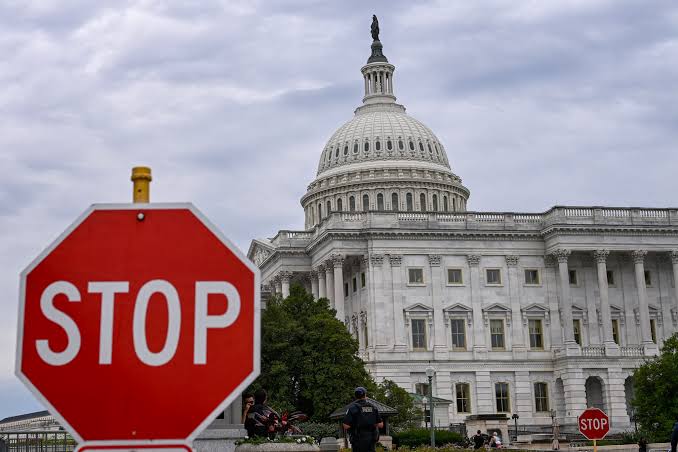
Here’s an article based on the latest available information — note that while a vote is expected tonight, as of now the shutdown isn’t yet officially over.
End in Sight for Federal Shutdown
Late Sunday evening, Congress is poised to take a crucial vote that could finally end the longest-ever federal government shutdown in U.S. history. After more than 40 days of suspended funding for large portions of the federal government, lawmakers in the United States Senate are preparing to vote on legislation that would reopen government operations and restore pay for federal workers.
What’s at Stake
The shutdown began at 12:01 a.m. EDT on October 1, 2025, after the United States House of Representatives and Senate failed to pass appropriations or a continuing resolution to keep the government funded.
Approximately 750,000 federal workers have been furloughed and another 1.4 million continue working without pay.
Vital programs and services have been disrupted: for example, benefits under the Supplemental Nutrition Assistance Program (SNAP) and other food aid programs are in jeopardy.
The economic cost is mounting: The Congressional Budget Office estimated losses of up to US $14 billion if the shutdown continues into its eighth week.
What the Vote Could Do
The legislation under consideration would:
Fund the government through January 2026 (for large chunks of agencies) and in some cases through September 2026 for others.
Provide back pay to federal employees who have been furloughed or working without pay.
Restore withheld payments to states and localities that have been impacted by the shutdown.
If enough senators vote yes, the government could begin reopening tonight—but only if procedural hurdles are cleared and the bill passes both chambers of Congress in time.
Why It Took So Long
Several factors prolonged the shutdown:
The House passed funding legislation, but that bill repeatedly stalled in the Senate.
Senate Democrats have been pressing for extensions of the health-insurance premium tax credits under the Affordable Care Act (ACA) marketplace—something Republicans have balked at.
Procedural rules in the Senate (such as the filibuster) mean that bipartisan support is required for most legislation, creating a bottleneck.
What Happens Next
If the Senate votes tonight and the bill passes: expect federal agencies to begin restoring normal operations soon after.
Federal employees should receive official notifications about returning to work and recovering back pay.
Some programs paused during the shutdown will resume operations; however, there may be delays in full restoration.
Even if the shutdown ends, many analysts say the political and economic fallout will linger (job security, budget uncertainty, disrupted services) and could influence future budget fights.
Final Thought
A breakthrough could arrive tonight that ends the shutdown — but until the votes are cast and the legislation cleared, the situation remains fluid. The stakes are high: for workers, for service recipients, for the economy, and for the tone of federal governance. If the vote passes, we’ll see the gears start moving again. If it doesn’t, the stalemate will continue, and the ripple effects will grow.





 It's Tea ☕️ Tyme
Leave a comment