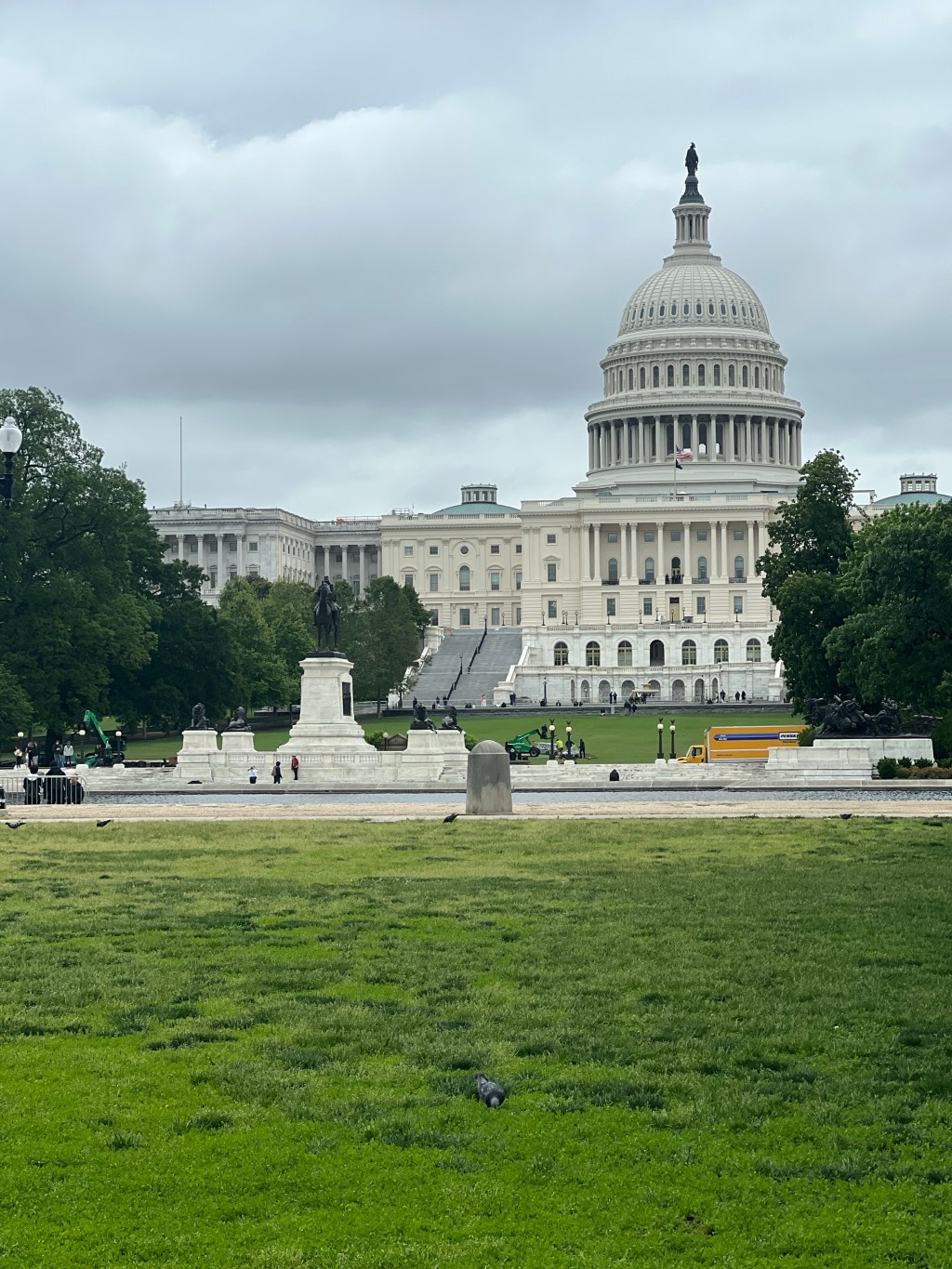
In early 2026, the United States experienced a federal government shutdown that lasted from January 31 until February 3. This “partial shutdown” came about after a lapse in funding for key departments when Congress failed to pass a complete set of appropriations bills needed to fund government operations for Fiscal Year 2026.
Unlike some previous shutdowns — such as the record-breaking 43-day shutdown that occurred in late 2025 — this one was relatively short. But it was still consequential, rooted in deep political divisions and setting the stage for future battles in Washington.
What Triggered the Shutdown?
🧠 Budget Deadlines & Partisan Disagreements
Every fiscal year, Congress must enact 12 appropriations bills to fund federal agencies and programs. When one of these bills doesn’t pass — or a continuing resolution (temporary funding extension) expires — the government legally must shut down parts of its operations under the Anti-Deficiency Act.
In late January:
Most of the government already had funding after previous action. But Department of Homeland Security (DHS) — which funds agencies like ICE and Customs and Border Protection — lacked funding due to a standoff between Democrats and Republicans over immigration enforcement reforms.
Democrats refused to approve a full DHS funding bill without policy reforms — especially in response to controversial deaths involving federal immigration agents — while Republicans resisted tying spending to such conditions.
As a result, funding lapsed at midnight on January 31, 2026, prompting the shutdown.
Timeline: Shutdown to Reopening
📅 January 31, 2026
Funding for DHS expired; numerous federal agencies had to halt non-essential operations.
📅 February 2–3, 2026
After intensified negotiations — especially around DHS and immigration policy — Congress moved a funding package forward.
📅 February 3, 2026
The House passed a $1.2 trillion appropriations bill by a narrow 217–214 vote and sent it to President Donald Trump. He promptly signed it into law, ending the shutdown.
The legislation funds most federal agencies through September 30, 2026, the end of the fiscal year. However, DHS received only a temporary extension — through February 13 — to allow more time for negotiations on immigration reforms.
What Happened During the Shutdown?
Though brief (about four days long):
🏛️ Federal Furloughs & Operations
Federal workers in affected agencies were temporarily furloughed. “Essential” employees, like air traffic controllers and active-duty military, continued working without pay until funding was restored.
🚫 Service Disruptions
Certain services — such as national parks, federal offices, and some administrative functions — paused or operated on limited staffing.
💸 Economic Ripple Effects
Even short shutdowns carry direct costs — from delayed government contracts to strained household budgets for furloughed workers. Longer shutdowns (like the 2025 one) were estimated to cut GDP and generate billions in lost economic activity.
Why This Shutdown Mattered Politically
Unlike some budget fights focused purely on spending levels, the 2026 shutdown became a policy fight over immigration enforcement and accountability — particularly for DHS agencies.
Democrats used funding leverage to push for:
Body cameras for immigration agents Stronger oversight and conduct standards Limits on certain enforcement practices
Republicans pushed back, citing safety concerns and budget priorities. The result: a compromise that kept most of the government funded while leaving critical DHS negotiations unresolved.
Looking Ahead: What Comes Next?
The short-term funding extension for DHS means lawmakers are on a tight timeline to complete negotiations by February 13, 2026. If agreement isn’t reached by then, parts of the government could face another shutdown.
The issue has become more than budget arithmetic — it’s now a flashpoint in the broader debate over immigration policy and federal accountability. How Congress navigates that will have implications for governance, public services, and political alignment for the rest of 2026.
Final Thoughts
The 2026 government shutdown may have been short, but it underscores how routine budget deadlines can trigger constitutional and political crises when Congress is sharply divided. It reveals:
How budget fights intersect with policy priorities The pressures federal workers face during funding lapses The broader economic and administrative impact of even brief interruptions
As the next DHS deadline looms and political polarization persists, Americans should be prepared for future showdowns — and understand that these shutdowns are not merely technical budget issues but major governance moments shaping national policy and public services.




 It's Tea ☕️ Tyme
Leave a comment