
A championship on the line and a tipoff during the workday.
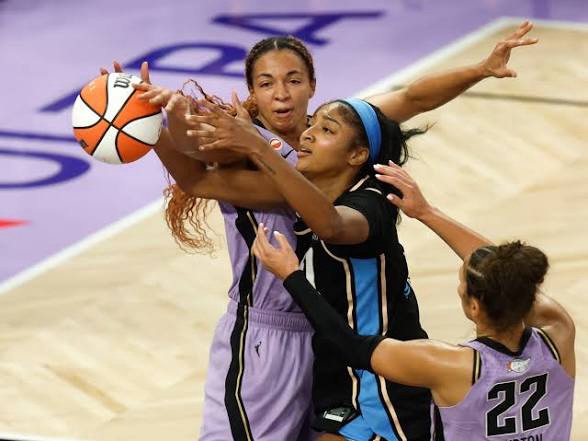
The WNBA’s decision to move Game 6 of the Finals between the Atlanta Dream and Golden State Valkyries to 12:30 p.m. ET on Thursday, October 29, has sparked debate about scheduling, access and the place of women’s basketball on the sports calendar. For Golden State fans in California, that meant a 9:30 a.m. start. (valkyries.wnba.com)
Fans following a championship series suddenly faced a difficult choice: watch basketball or keep up with work, school and everyday responsibilities.
Why Was the Game Moved?
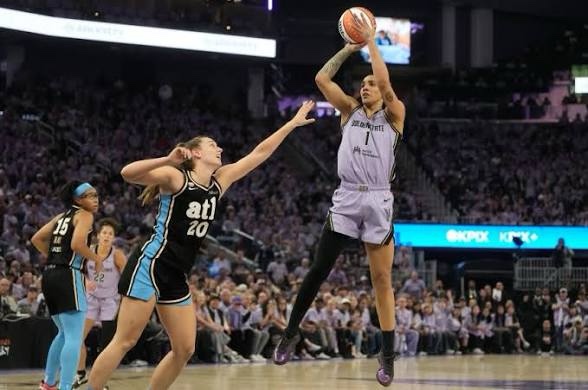
The game was originally scheduled for 8 p.m. ET. Moving it to Atlanta’s larger State Farm Arena created an opportunity for thousands more people to attend, but the building also had to accommodate the Atlanta Hawks’ game against the Cleveland Cavaliers that evening. The Hawks agreed to shift their start time to 8 p.m., allowing both games to use the arena. (wnba.com)
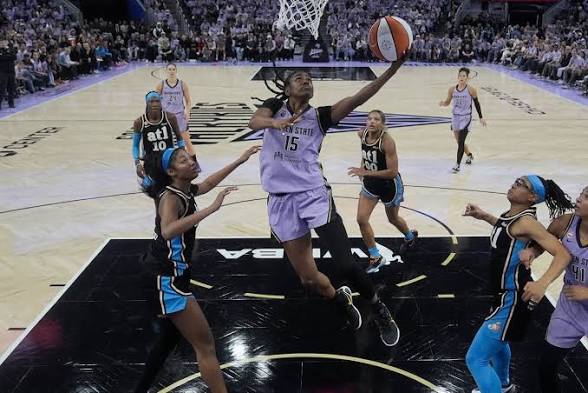
The venue difference was substantial. The Dream’s usual home, Gateway Center Arena, holds approximately 3,500 fans, compared with roughly 17,000 at State Farm Arena. Staying in the smaller building would have left thousands without a seat. (cbssports.com)
That left organizers balancing a larger crowd inside the arena against a more convenient viewing time for fans elsewhere.
A Bigger Stage, but a Difficult Time
The league emphasized the opportunity to welcome more fans after strong attendance at earlier Finals games in Atlanta. That reasoning has merit: a championship deserves an arena that can meet demand.
Still, a Thursday afternoon start creates obvious obstacles. Attending can require time off, rearranged childcare or missed classes. Watching from California means fitting a potential championship celebration into the start of a working day.
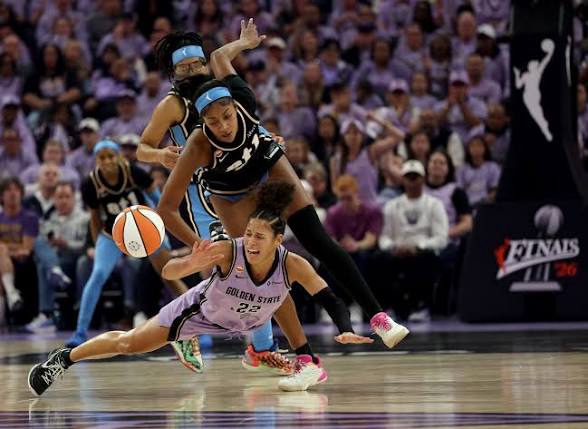
Reporting on the change captured frustration among West Coast fans scrambling to adjust their plans. (washingtonpost.com)
For a league working to expand its audience, those barriers deserve attention.
Fans Showed Up Anyway
Despite the unusual start, the Dream announced that Game 6 had sold out. The team said more than 10,000 tickets were purchased within the first 90 minutes of sales. Atlanta entered the matchup trailing the series 3–2, needing a victory to keep its championship hopes alive. (cbsnews.com)
That response speaks to the enthusiasm surrounding the series. It also raises a fair question: how can future Finals schedules better serve both the people filling the seats and those watching from home?
Planning for the Audience Women’s Basketball Has Earned
Shared arenas come with complicated calendars, existing commitments and difficult compromises. This situation shows why securing suitable venues and protecting championship dates matters.
Fans should be able to follow the biggest moments of a season without scrambling at the last minute. Players deserve a championship setting supported by planning that matches the occasion.
The sellout shows the demand is there. Future scheduling needs to make it easier for that audience to participate.
Would you take time off to watch your team compete for a championship, or should a Finals game have a protected evening slot?





Leave a Reply